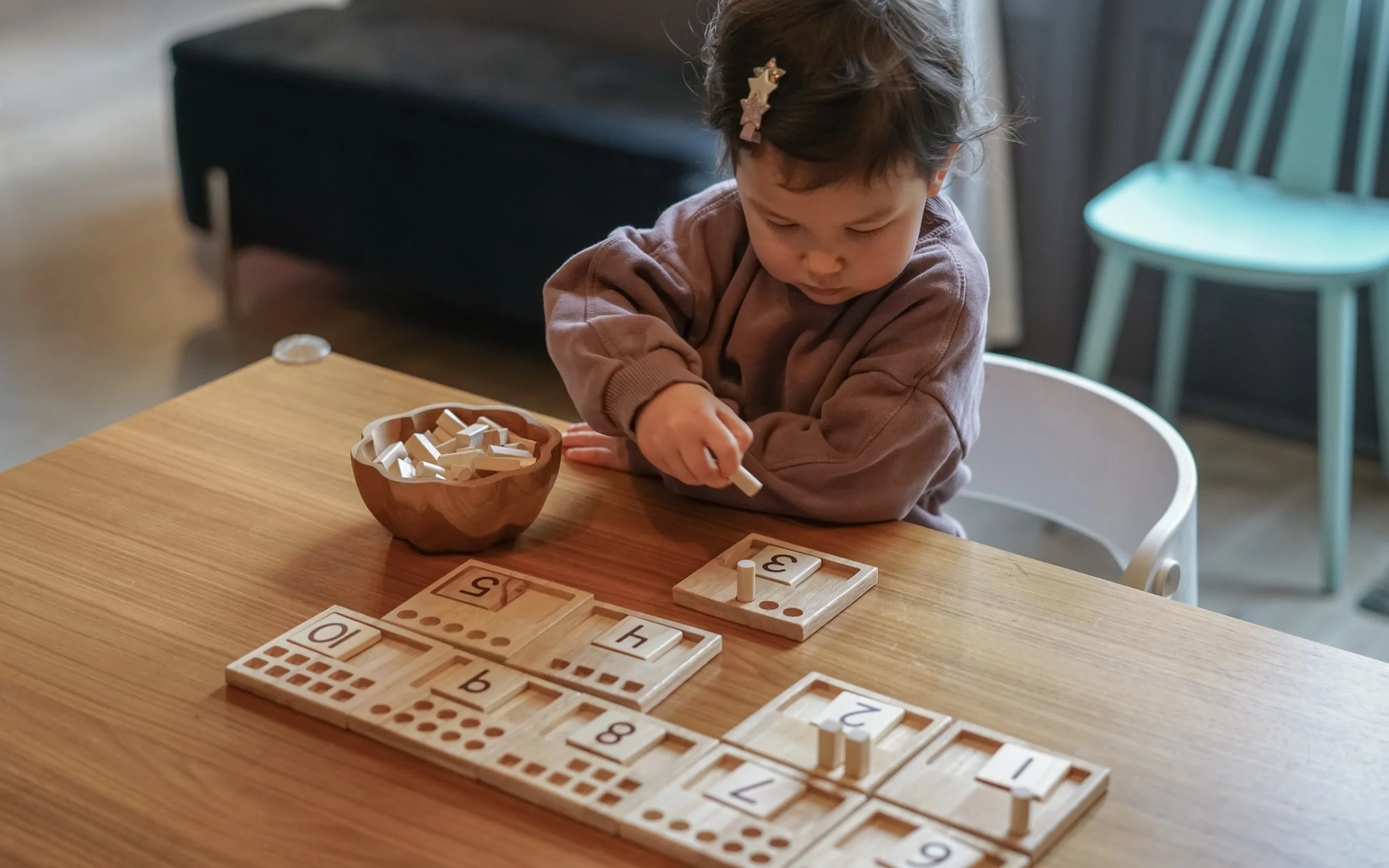
“At just 2 years old, our daughter has blossomed under Sharon’s nurturing and engaging approach, and the progress she’s made in her development has been remarkable.”

School Readiness & 4+ Preparation
Families preparing their child for starting school or 4+ assessments approach learning in different ways. Some prefer a clear roadmap to follow at home, others value hands-on resources, and some are looking for personalised guidance or strategic advice to make confident decisions. Below are some of the ways you can work with me.
The Home Learning Programme:
Ideal for parents who want structured guidance, personalised planning, and tailored support throughout the preparation journey, including preparation for 4+ assessments.
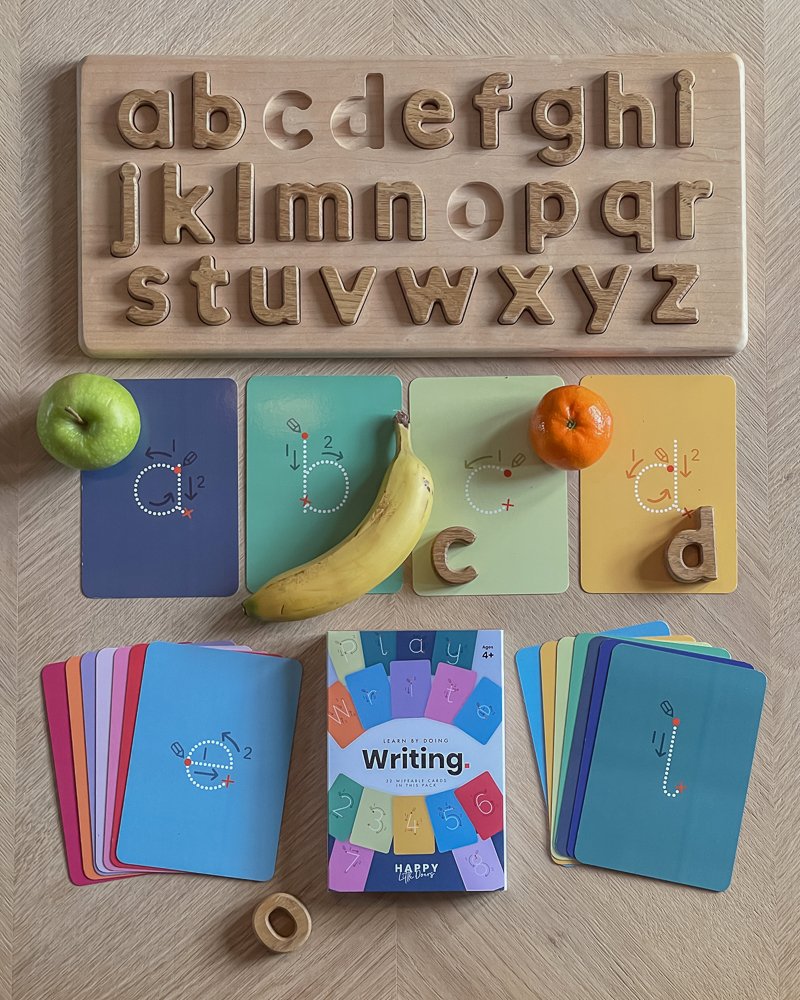
Structured, personalised support to help your child develop the skills needed for 4+ assessments. Over five video consultations, you will receive tailored activity plans, practical guidance for home learning, and a clear framework to track progress in literacy, numeracy, reasoning, communication, and motor skills.
Give your child confidence, reinforce key areas, and know exactly how to support their learning at home.
What’s included:
Five video consultations
Personalised activity plans after each session, targeting the key skills required for 4+ entry
4+ Roadmap to track milestones and readiness
Tailored support to address your child’s unique strengths and areas for improvement
Get in touch for more details.
Learning Kit:
Ideal for families who want practical, ready-to-use tools to support learning at home, either on their own or alongside the 4+ Roadmap.
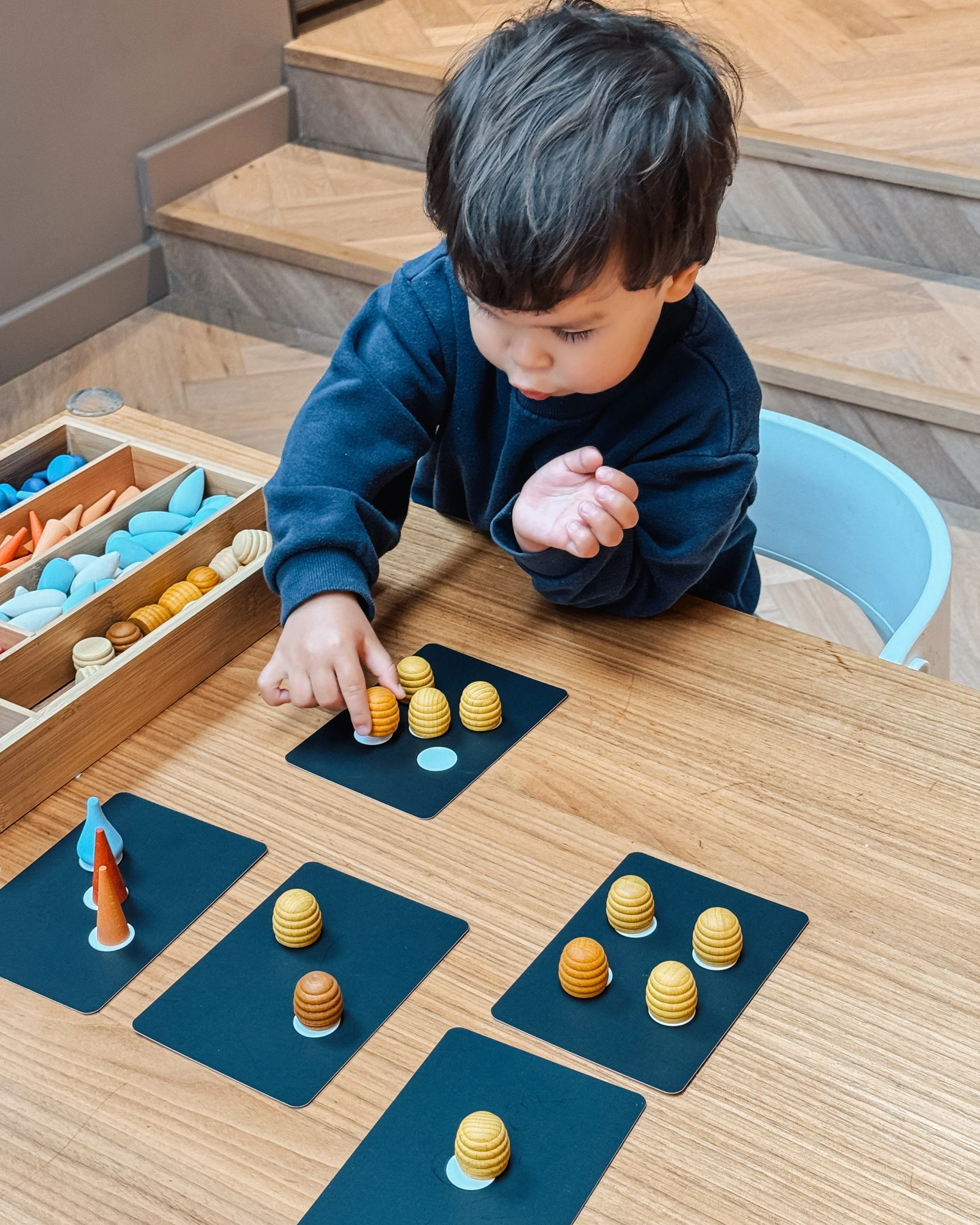
Designed for children aged 2–4 years, the 20 curated, hands-on materials can be used flexibly, either individually or in combination, offering multiple ways to explore and reinforce key skills as your child develops.
What’s included:
Literacy, numeracy, perceptual reasoning, and fine motor resources
Flexible materials designed for multiple activities
Can be used independently or alongside the 4+ Roadmap
“I wanted to thank you, because your activities really put me on track. Without them I had no idea what I was doing and when. My daughter loves the Learning Kit - she opens it up and asks to do activities every day!”
1:1 Tuition:
Ideal for families who want consistent support, structured guidance, and regular feedback on their child’s progress.
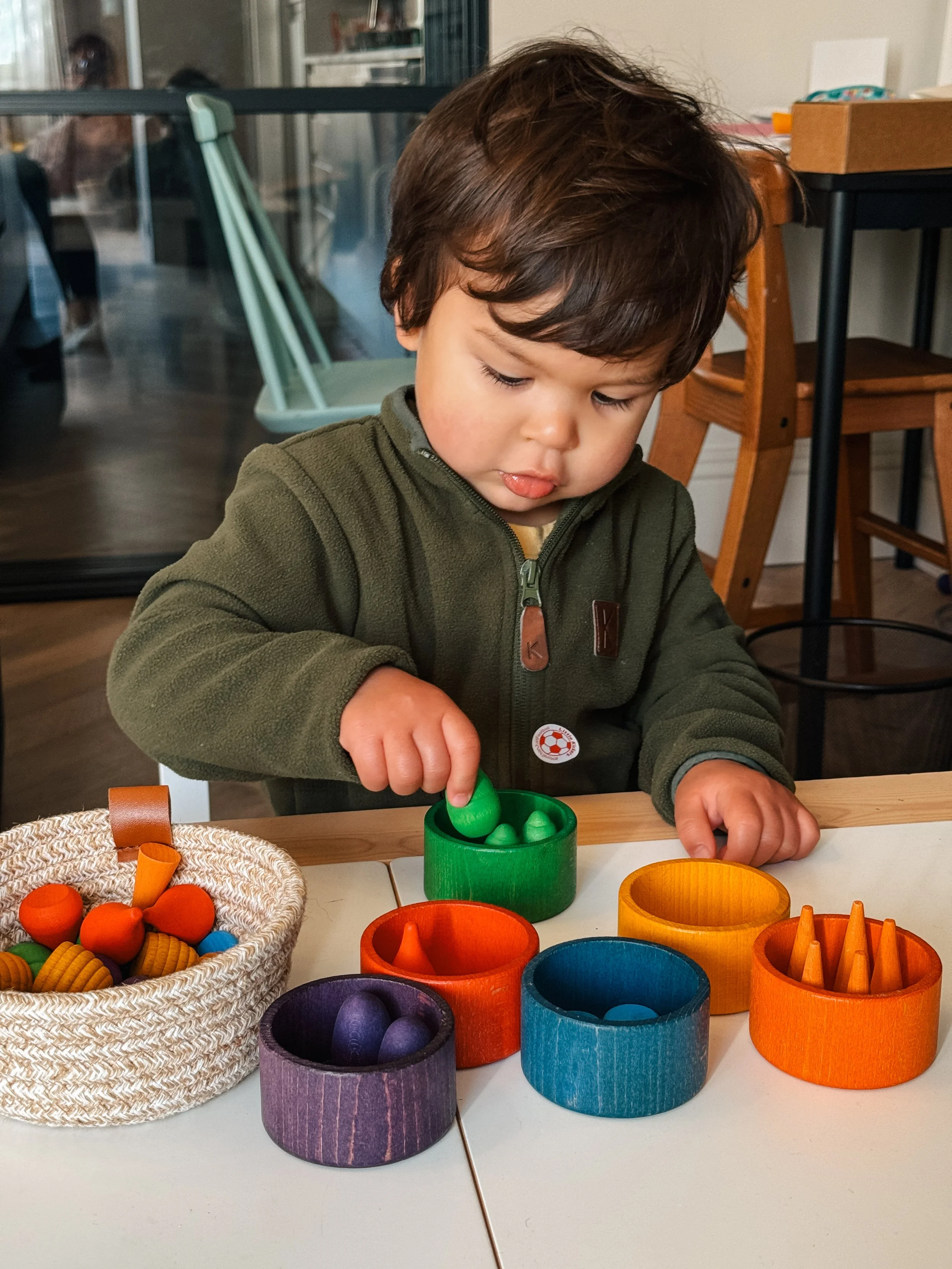
Weekly sessions tailored to your child’s unique development, designed to build confidence, focus, and strong foundational skills. Each session includes personalised strategies and guidance, with feedback and suggestions to support learning at home.
What’s included:
Structured 1:1 learning sessions personalised to your child
Progress updates and guidance after each session
Strategies to support practice and development at home
“We were struggling to find ways to practice phonics, drawing and numeracy at home in a way that was fun and engaging - the sessions with Sharon have been transformative! Not only have we seen our daughter’s learning come on leaps and bounds, but most importantly, her joy for learning!”
In 2026, the families we worked with secured offers from their first-choice schools. Get in touch to find out how we can support your child.
Not quite ready for 4+? Our Developmental Play sessions support early development, confidence, and curiosity.

About →
I was never the naturally ‘fun’ parent, and engaging young children didn’t always come naturally to me. When my daughter was born, I was told that as she grew, I would evolve too. Out of desperation, I started looking for ways to keep her interested and stimulated through play. What began as a search for better toys quickly grew into something much bigger — discovering activities, resources, and approaches to encourage focus, curiosity, and a love of learning.