
How I Choose Extracurriculars
Parents I work with often ask me for suggestions on extracurricular activities, so I thought it would be helpful to share how I go about making my recommendations.
I start by looking at the gaps. Every child has a mix of strengths and areas that need a bit more practice, so I try to find activities that will help build the areas that need strengthening, whether that's a child who needs more confidence or one who could do with sitting still and focusing for longer. However, if a child doesn't actually enjoy an activity, it won't stick, no matter how good it is for them. So the activities that make the cut are the ones that tick both boxes: they build something useful, and the child genuinely wants to go.
The skills I look at building are: confidence, gross motor skills, fine motor skills, hand eye coordination, body coordination, following instructions, listening, memory, resilience, planning, problem solving, focus and discipline. Most activities build multiple skills at once.
Drama Builds: confidence, following instructions
Drama classes require children to sing and perform as part of a group, and to take direction from an adult who isn't a parent or teacher. It also helps children overcome a fear of speaking in front of an audience, which sets them up well for public speaking later on.
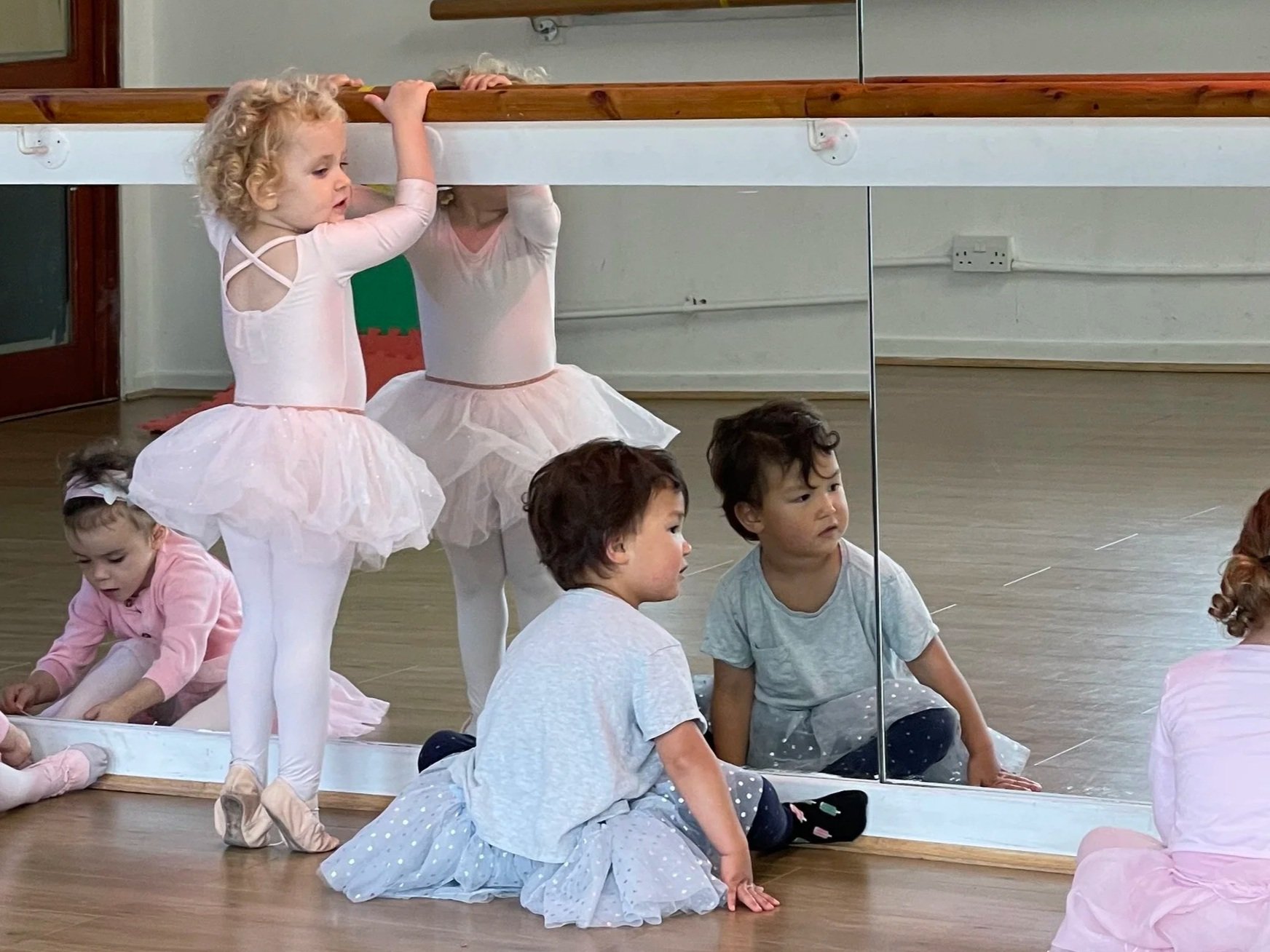
Ballet / Dance Builds: gross motor skills, body coordination, confidence, following instructions, memory
Learning choreography means following a sequence of steps in order, which is great for memory. Performing it, whether in class or on a stage, builds confidence along with strong gross motor development and body coordination.
Football Builds: gross motor skills, following instructions
Running, kicking, and playing as part of a team all develop gross motor skills. Following a coach's instructions in real time is good practice for listening and taking direction.
Tennis Builds: hand eye coordination, gross motor skills, focus and discipline
Tracking the ball and timing a hit takes real coordination, and having another go after a missed shot, again and again, builds focus and discipline.
Swimming Builds: gross motor skills, confidence
Swimming requires a child to move their whole body in a different way, building gross motor skills and confidence as they grow steadily more comfortable in the water. It is also an essential life skill, and one that most children genuinely love.
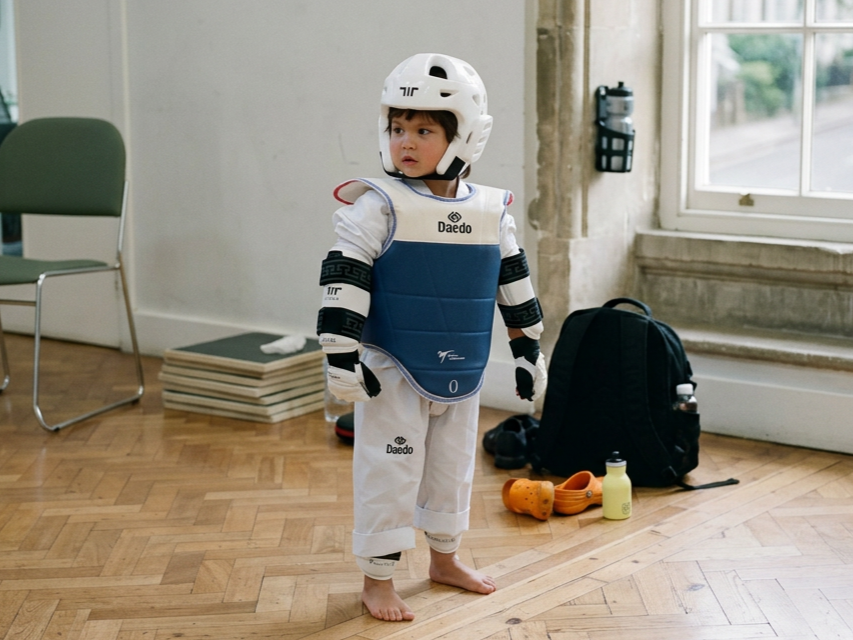
Martial Arts Builds: focus and discipline, following instructions, confidence, memory, resilience, gross motor skills, body coordination
The structure of martial arts teaches discipline, and earning belts gives a clear, visible marker of progress and achieving goals. It also helps children learn to deal with disappointment, whether that's not passing a grading first time or being paired against a stronger partner. Styles like karate and taekwondo also build in set sequences of moves, which is great for developing memory, and the physical side, from kicks to blocks to stances, builds body coordination too.
Music Builds: listening, memory, confidence, body coordination, focus and discipline
Singing is a great starting point for younger children, helping them develop an ear for tone, pitch and rhythm. Learning and remembering new songs is great for memory, and performing for others is a good way to build confidence. When it comes to choosing an instrument, string instruments are worth considering in particular, as playing them crosses the midline and uses both sides of the body and brain. The repetition involved in regular practice builds focus and discipline over time.
Art Builds: fine motor skills, hand eye coordination, planning, problem solving
Cutting, drawing, sticking, painting and moulding all strengthen fine motor skills and hand eye coordination. Deciding what to make, which colours to use, and how to compose it all helps develop planning, problem solving and decision making.
Combining two or three activities across the week so the skills complement each other ensures they are developing a holistic range of skills.
If you are looking for more structured support, my Home Learning Programme offers personalised guidance to help you support your child’s learning at home. I also offer a curated Learning Kit with hands-on materials to reinforce key skills in a fun and engaging way.