
How to Motivate Your Child to Do Work Without Resistance
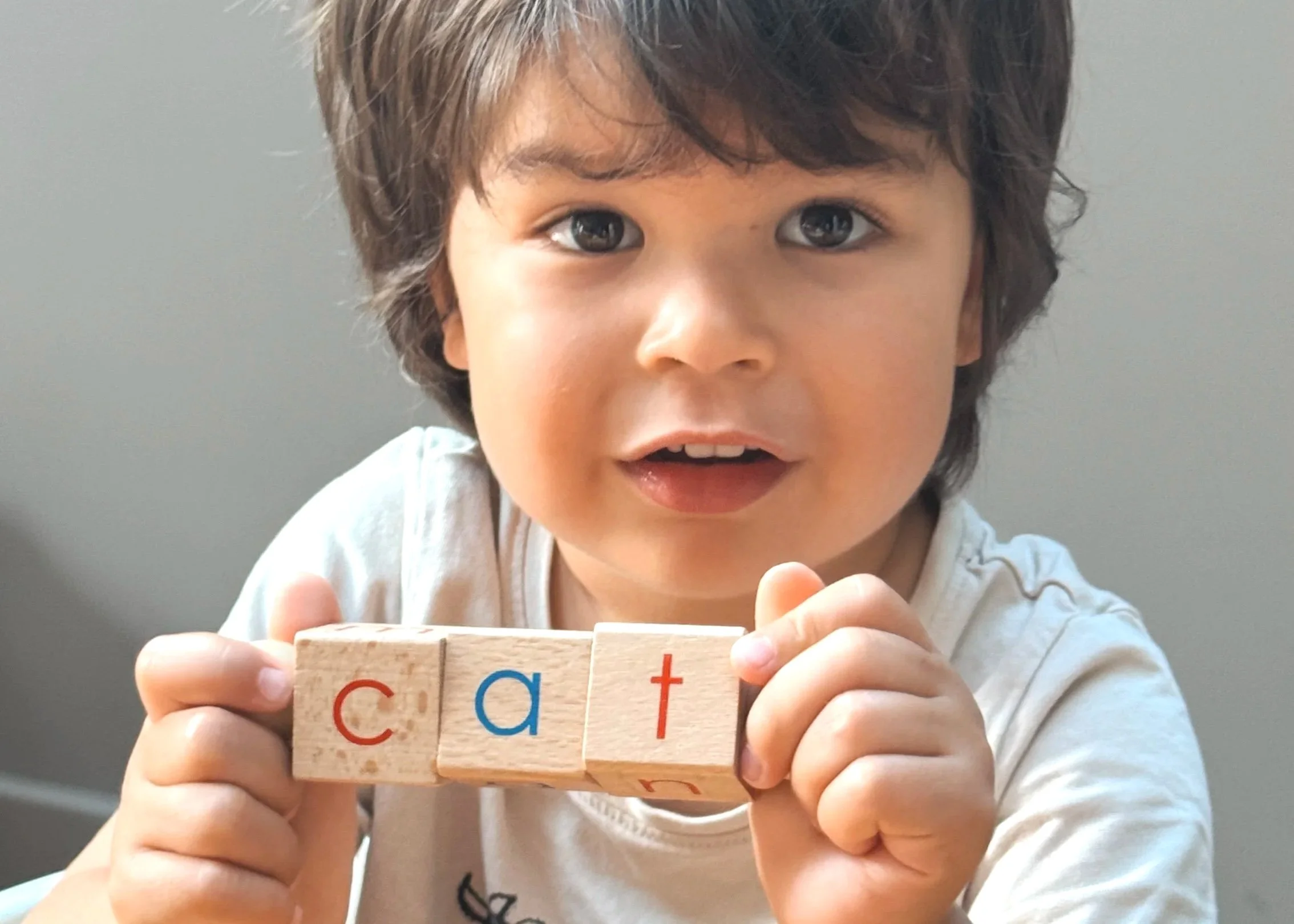
Last year, I had one child preparing for the 4+ assessments and another for the 7+ entrance exams, both successfully completing the process. It was a busy (and at times stressful) period, but having a clear routine and approach meant I rarely struggled to get them to sit down and do their work. Here are some of the strategies that made the biggest difference for us:
Building in a Routine
We found it easiest to get work done in the morning, when they were fresh. To keep things efficient, they would get dressed first, come downstairs, and have a quick breakfast.
I noticed that if they watched TV or started playing before working, it was much harder for them to switch gears and focus. Instead, they would start their work straight after breakfast. The incentive was simple—if they finished quickly, there was still time to play before school.
Find the time when your child is naturally most focused. For us, getting work done early meant the rest of the day felt more relaxed, and they could fully enjoy their extracurricular activities.
Designated Space
Having a designated space that is free from distractions can make all the difference. It doesn’t need to be anything elaborate—a small table or a consistent spot where your child knows “this is where we do our work” is enough.
Keeping materials within reach and the environment calm and uncluttered helps children settle more easily and stay focused for longer. Over time, this consistency builds a positive association with learning and reduces resistance to getting started.
Reward Jars & Charts
Reward systems can be incredibly motivating. We used a reward jar with two levels of stars—one for completing work with a good attitude, and sparkly stars for going above and beyond.
Once the jar was full, they could choose a reward, whether it was a small toy, a treat, or a fun activity. Involving them in choosing the reward made it even more motivating.
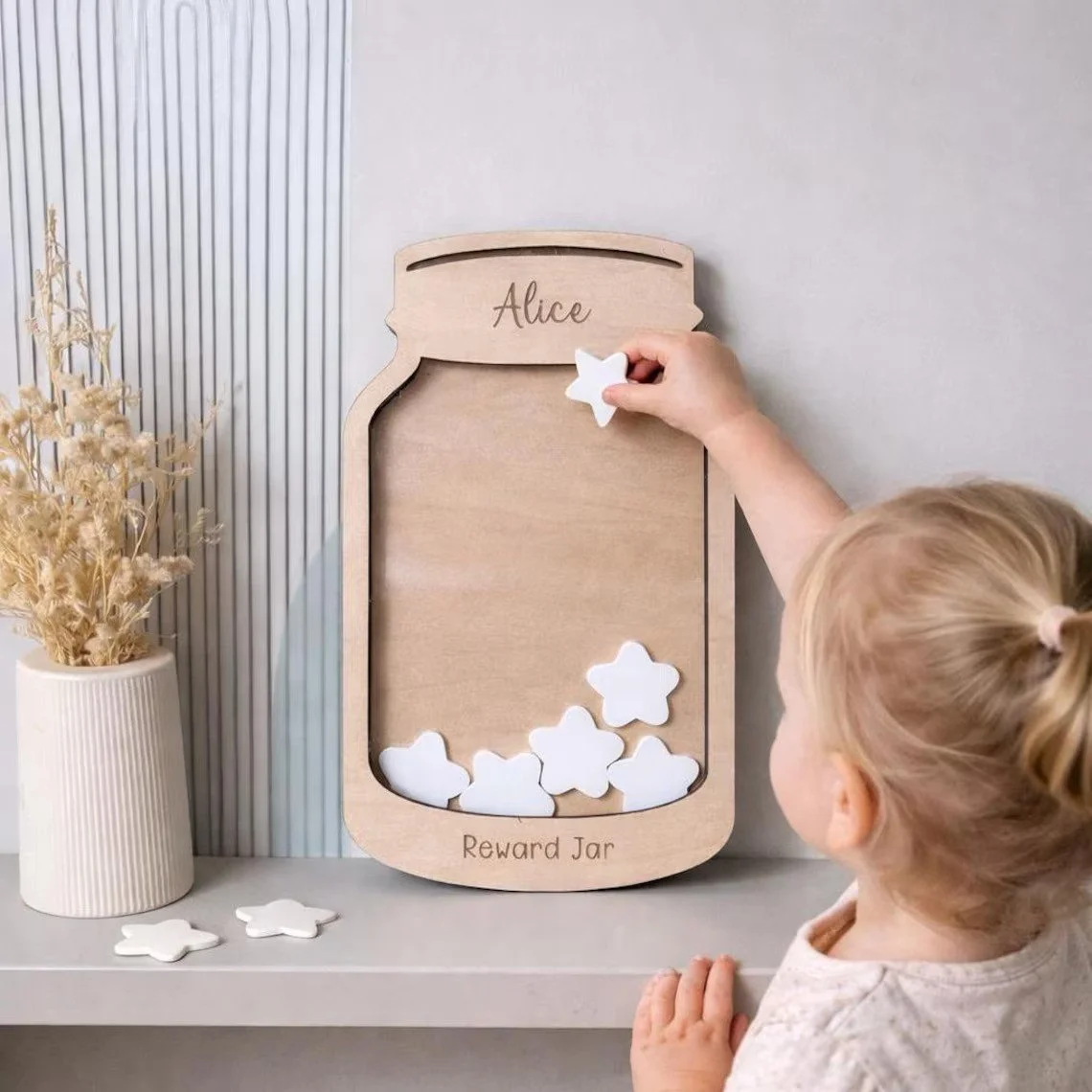
Photo Credit: Appleton Crafts UK
For Older Children
Be clear about expectations from the start—whether it’s completing five maths sheets, a comprehension task, or a piece of writing
Set achievable goals—building strong work habits takes time
Offer some autonomy by letting them choose what to start with
Stay nearby so you can support them if they get stuck, helping to prevent frustration before it builds
For Younger Children
Aim for around 10–15 minutes of focused work at a time
Start with something familiar (for us, this was practising writing his name), followed by 2–3 short activities across different areas
Balance more challenging tasks with easier or more enjoyable ones—for example, pairing a tricky maths concept with a phonics activity or a fun logic game.
Wherever possible, link activities to your child’s interests, such as counting soft toys or sorting vehicles
Knowing when to stop
There will be days when the struggle is real—whether your child is tired or finding the work particularly challenging.
On these days, be flexible. Adjust expectations, but aim to complete something rather than stopping entirely. For example, instead of reading a whole book, ask them to read two more pages.
Small wins help maintain momentum and confidence.
If you are looking for more structured support, my Home Learning Programme offers personalised guidance to help you support your child’s learning at home. I also offer a curated Learning Kit with hands-on materials to reinforce key skills in a fun and engaging way.
*This post contains affiliate links. We may earn a small commission when you make a purchase through links at no additional cost to you.